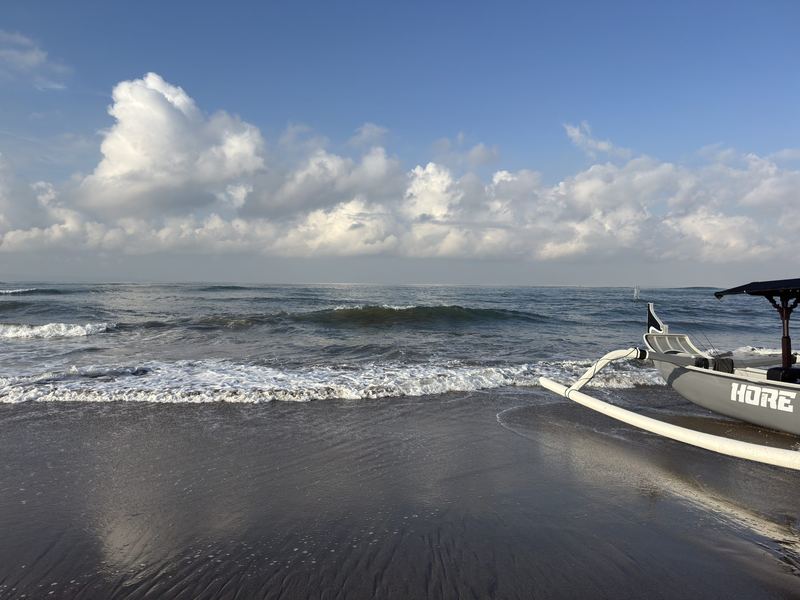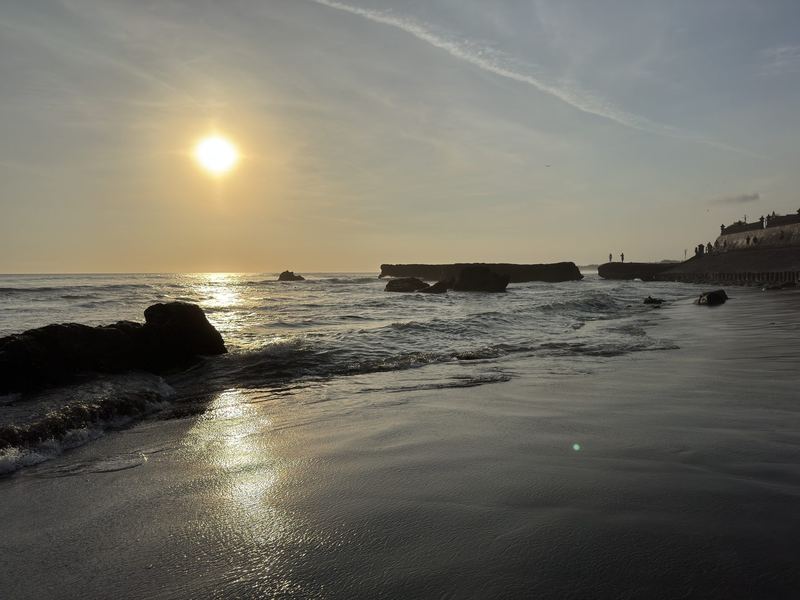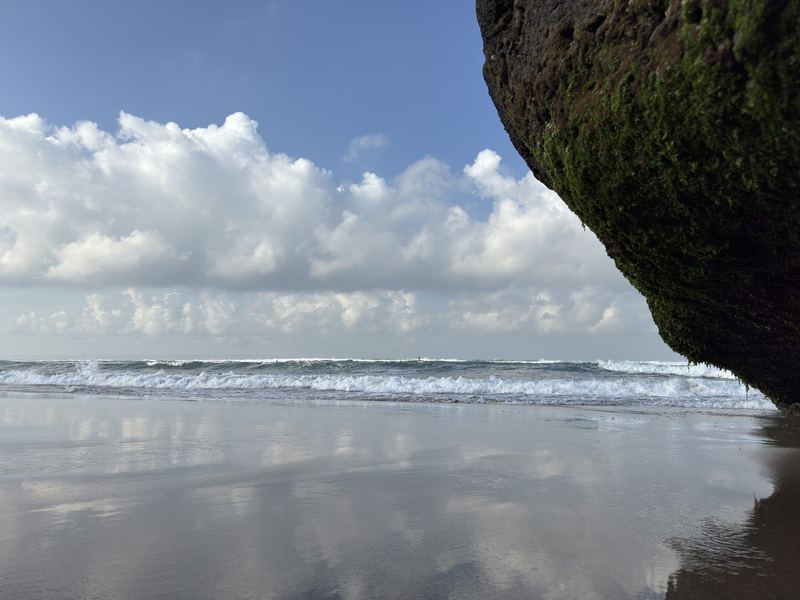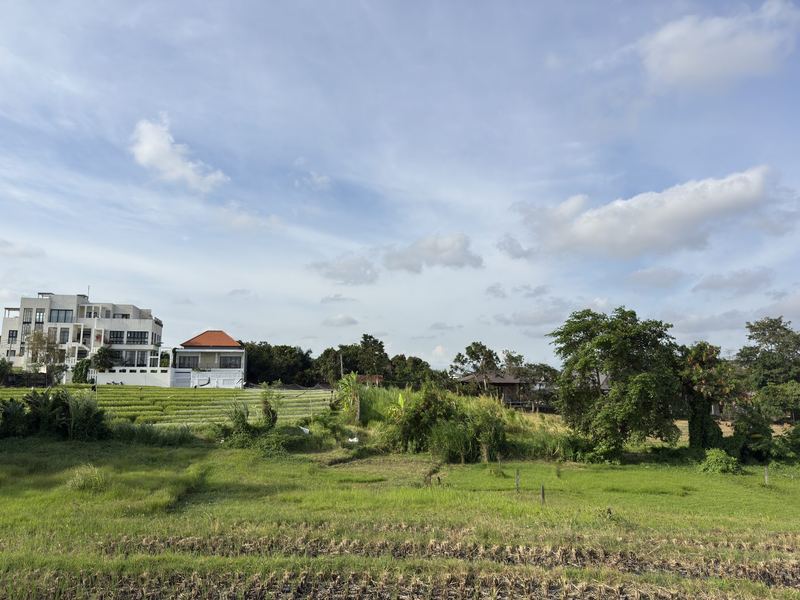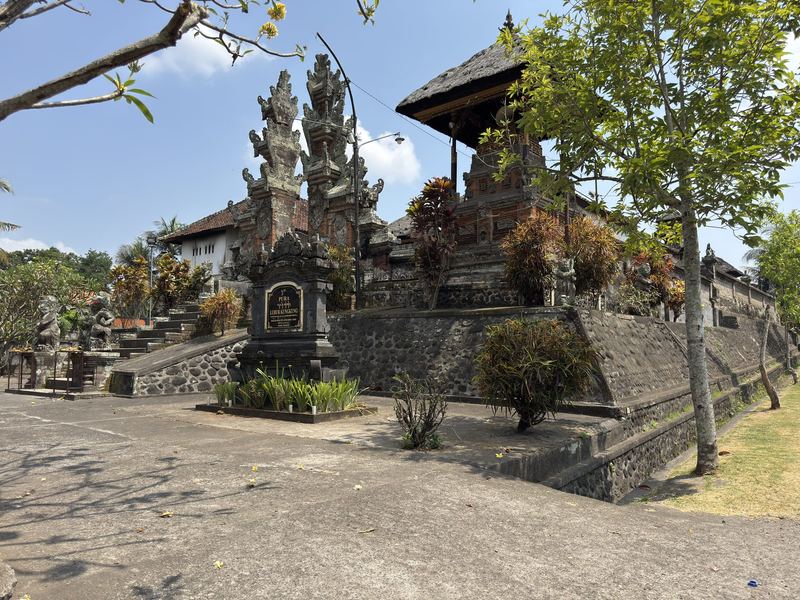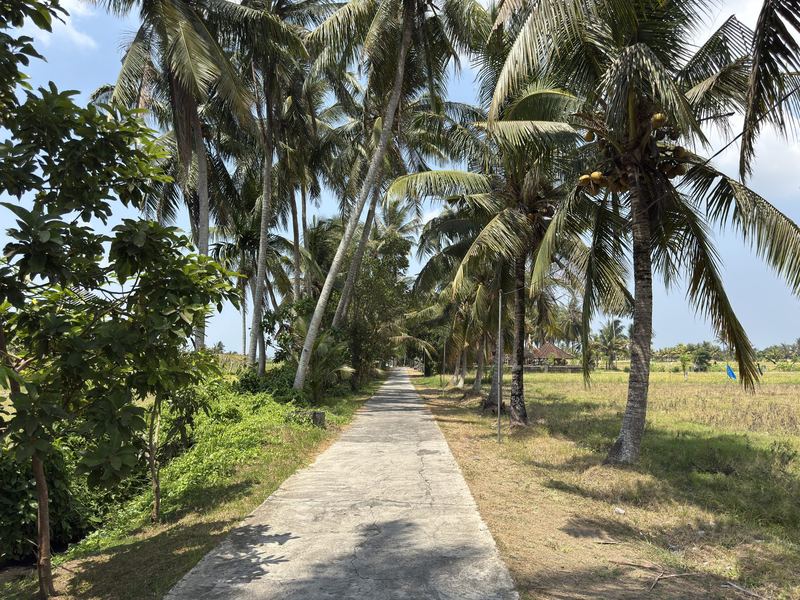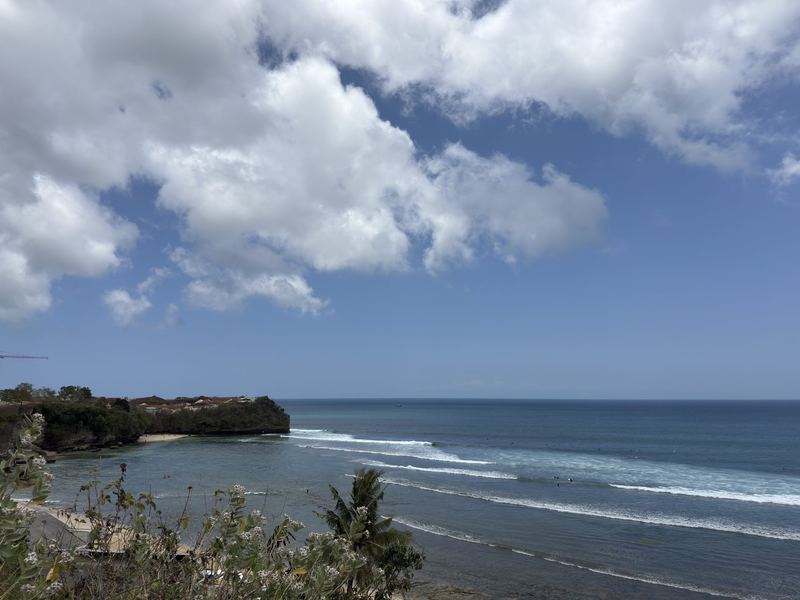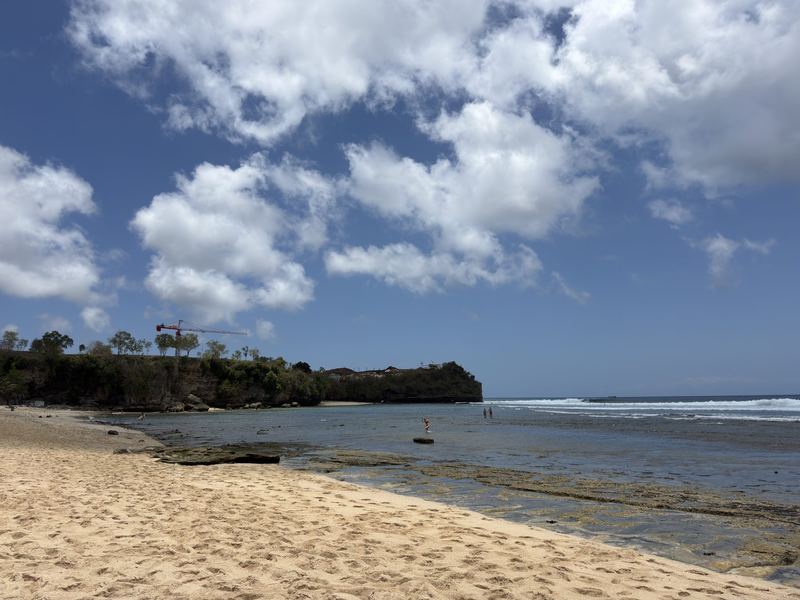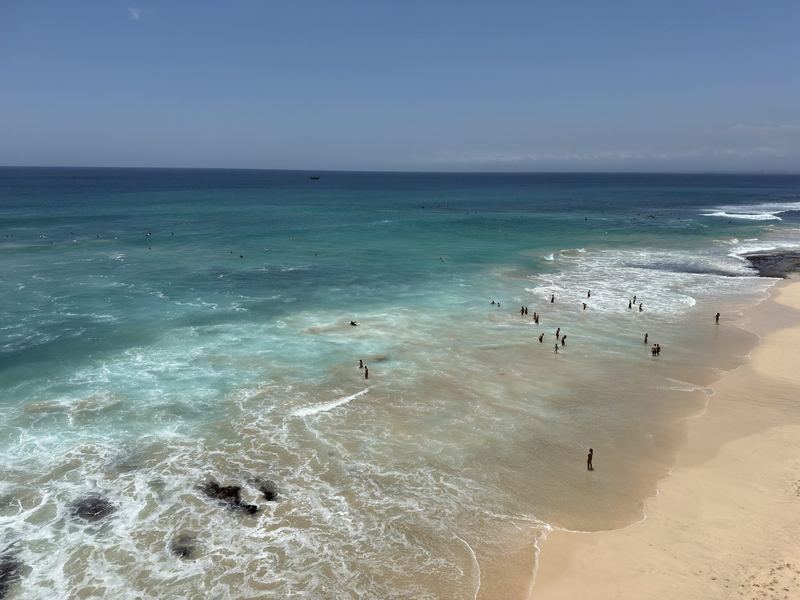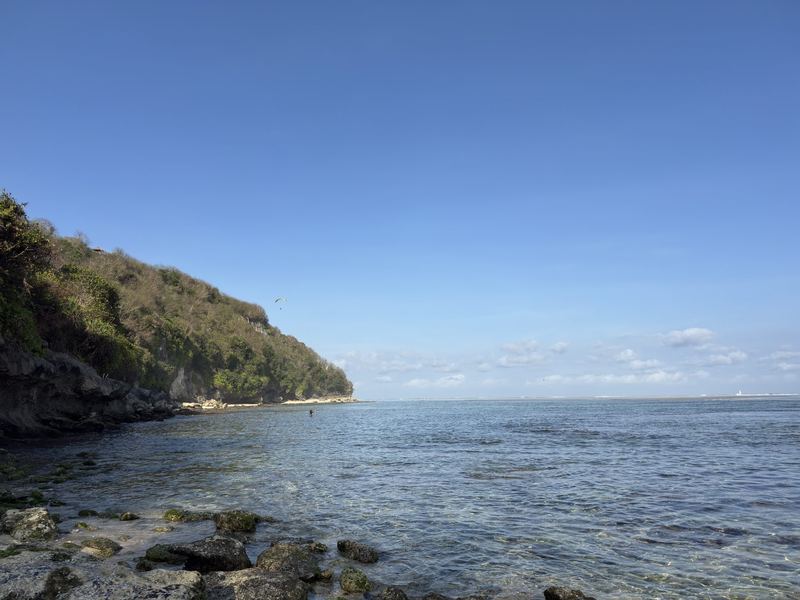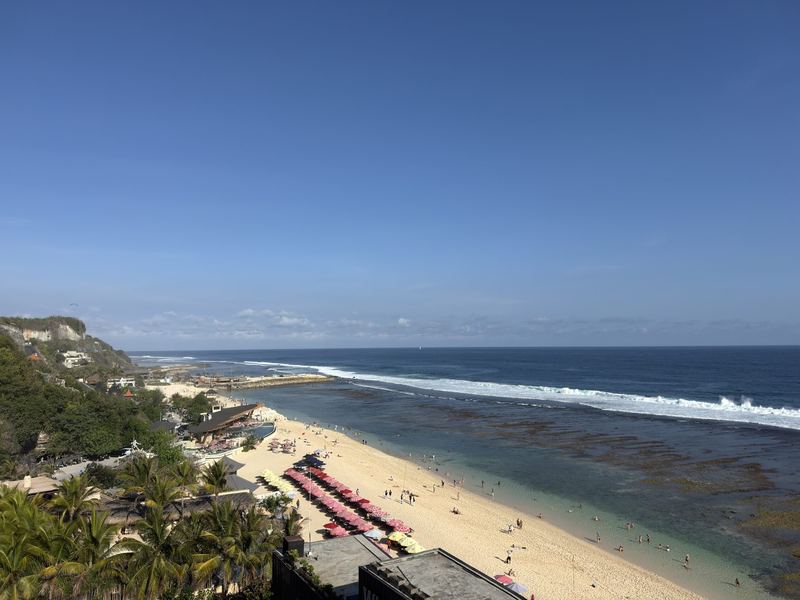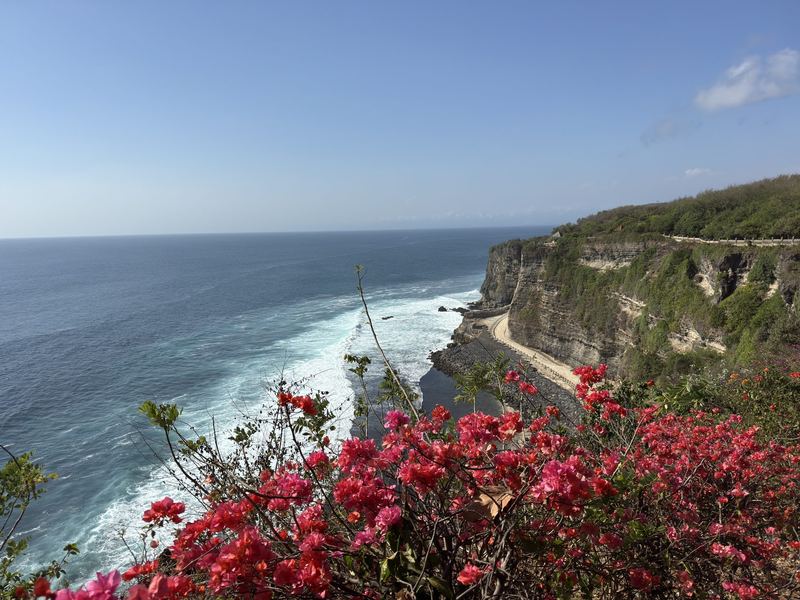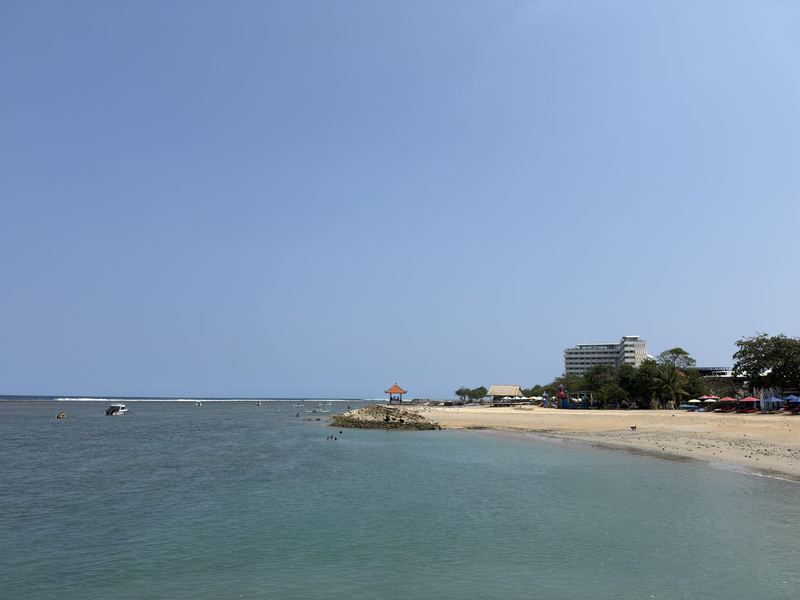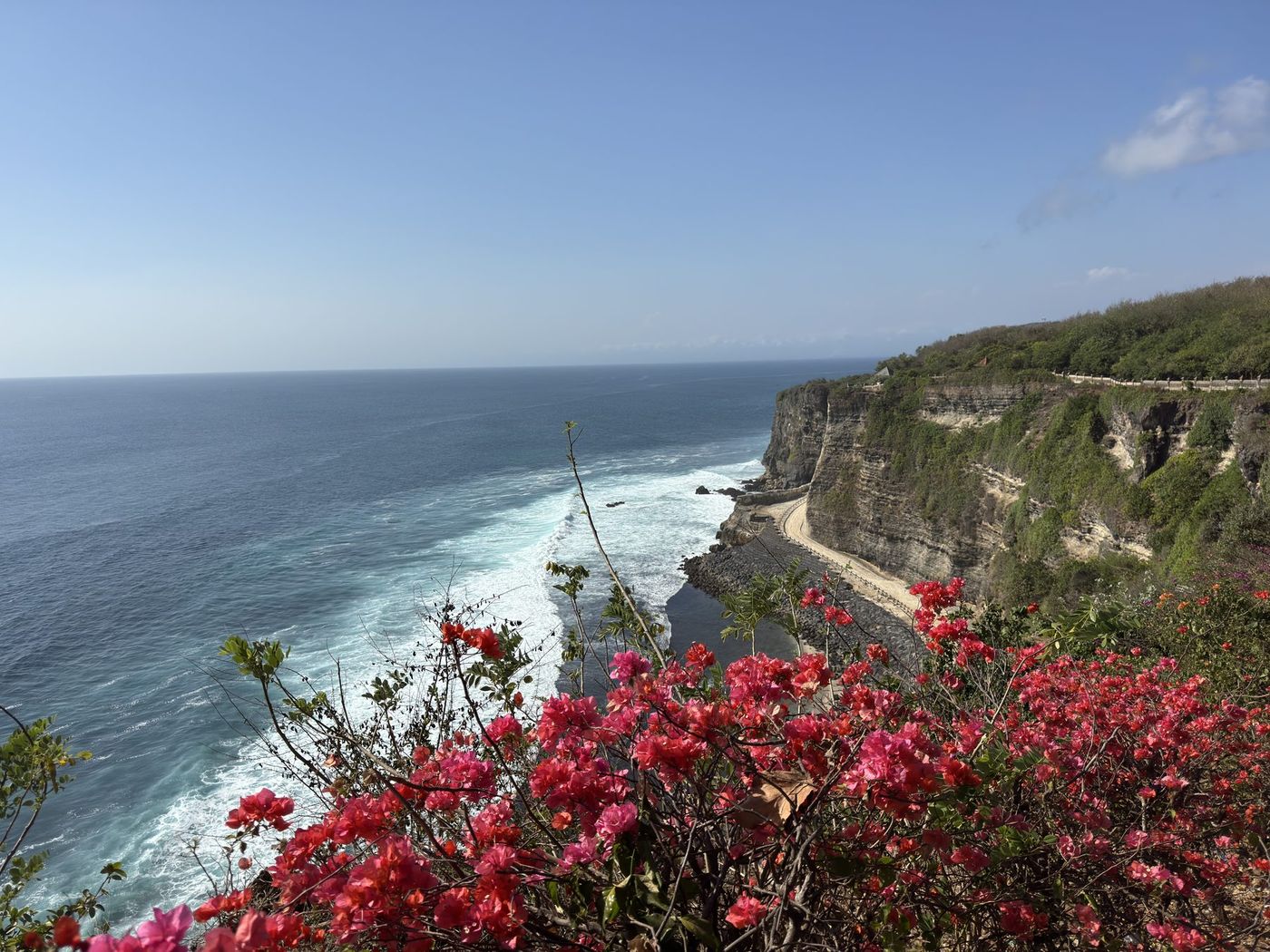
Fourteen areas, what each one actually is, and the question that bites in that specific place. Water on the Bukit. Zoning inland of Seseh. Which regency you are in at Kedungu, because it changes the rules.
What you will not find here is which area is about to go up. We do not know, nobody does, and an agency telling you otherwise is selling you the area it happens to have stock in.
The strip most buyers picture, running north from Seminyak. Everything here is a variation on the same trade: the closer to Canggu, the more there is to do and the more you pay for it.
South of Canggu, the older and more polished end of the coast. Beach clubs, restaurants and shopping on established streets, and the closest of the west coast areas to the airport. Land is scarce and priced accordingly.
See the 6 we have in Seminyak →


The centre of gravity. Cafes, gyms, coworking, schools, and the highest prices per square metre on this coast. Almost fully built out, which is why most new development has moved north and inland of it.
See the 55 we have in Canggu →

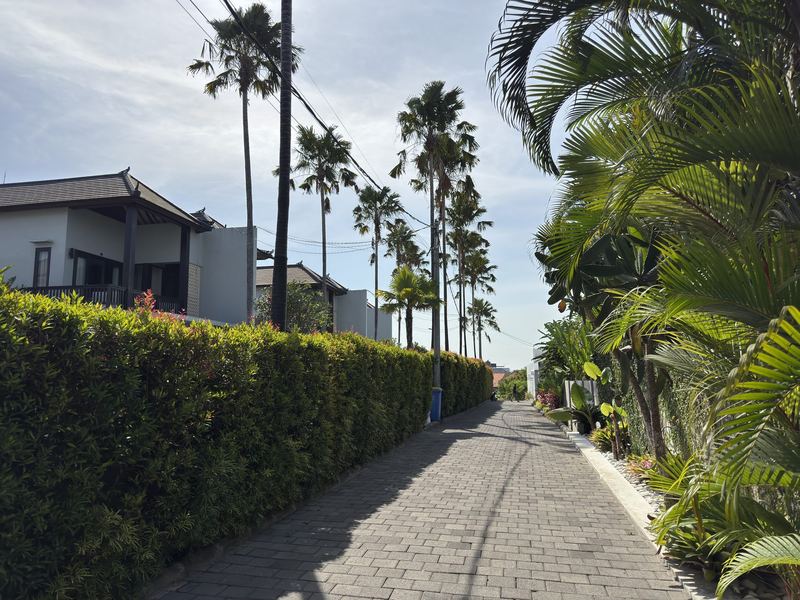
Inland, between Canggu and Seminyak. Quieter and more residential than either, laid out along narrow lanes rather than a strip. Long stay residents and families rather than short stay traffic.
See the 10 we have in Umalas →


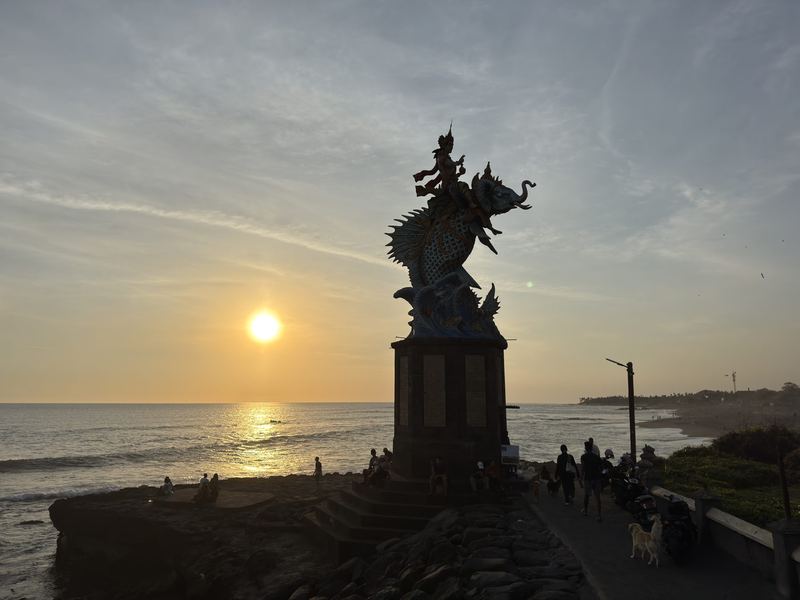
North of Canggu across the river. Beach access, a strip of its own, and the most built up of the areas north of Canggu.
See the 15 we have in Pererenan →
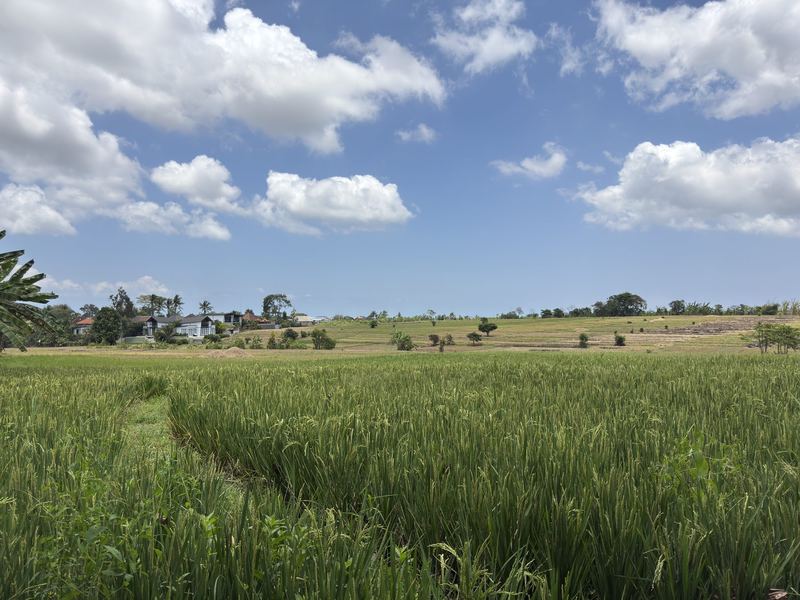
Beyond Pererenan. More rice field than street, fewer services, and a coastline that is mostly undeveloped, much of it legally protected.
See the 15 we have in Seseh →


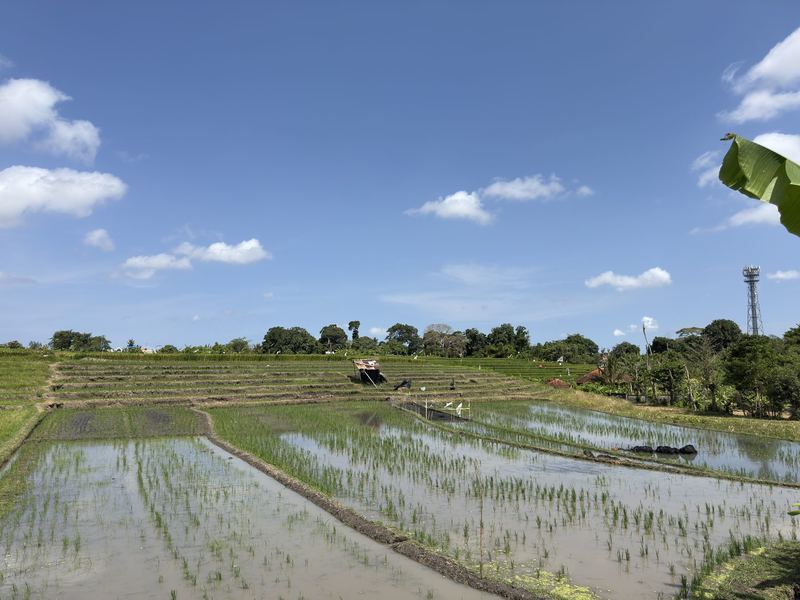
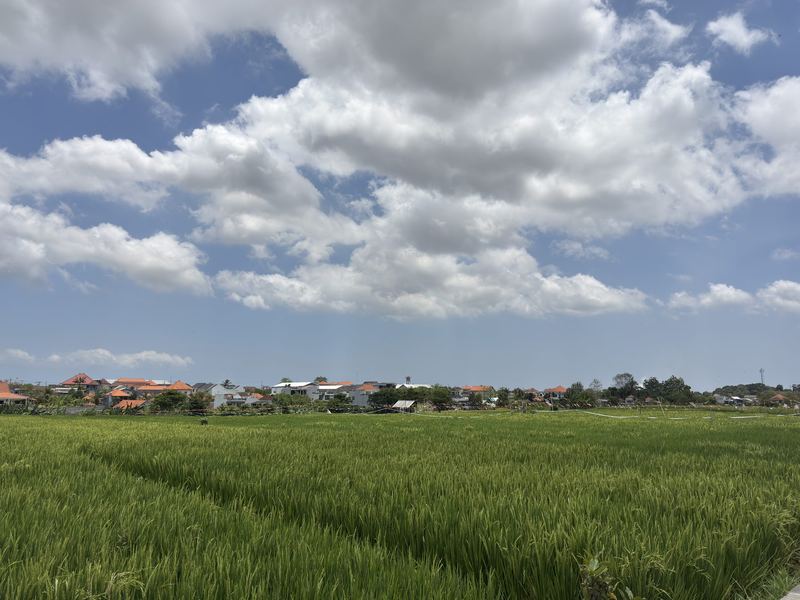
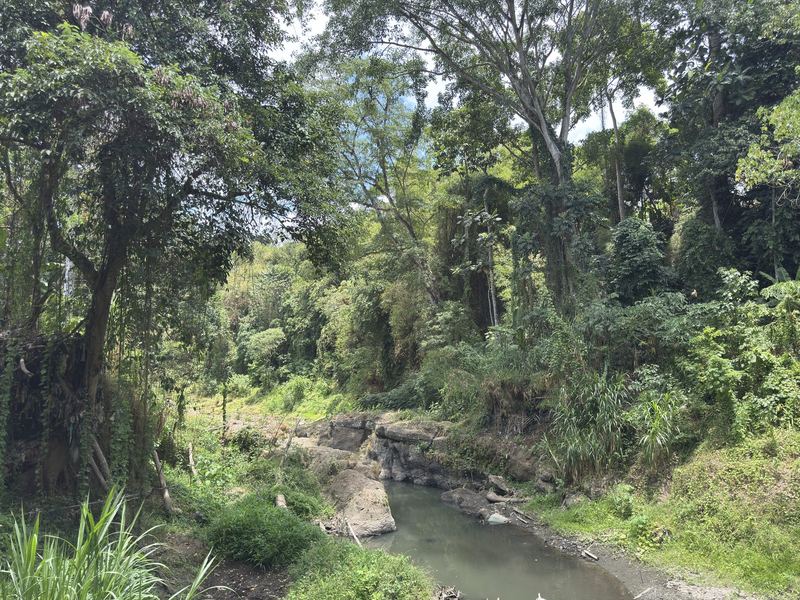
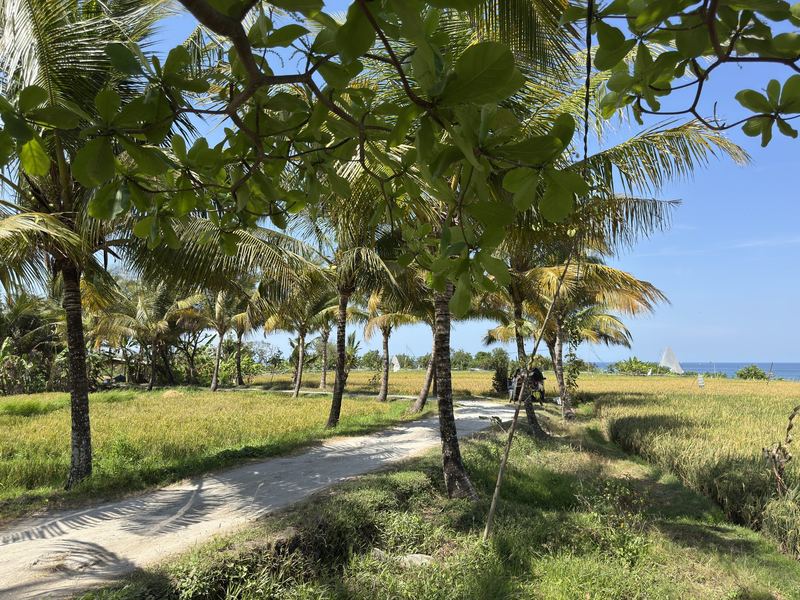
Inland of Seseh, a working village with rice fields and a river. A short drive to the coast and to Pererenan without paying coastal prices.
See the 1 we have in Cepaka →


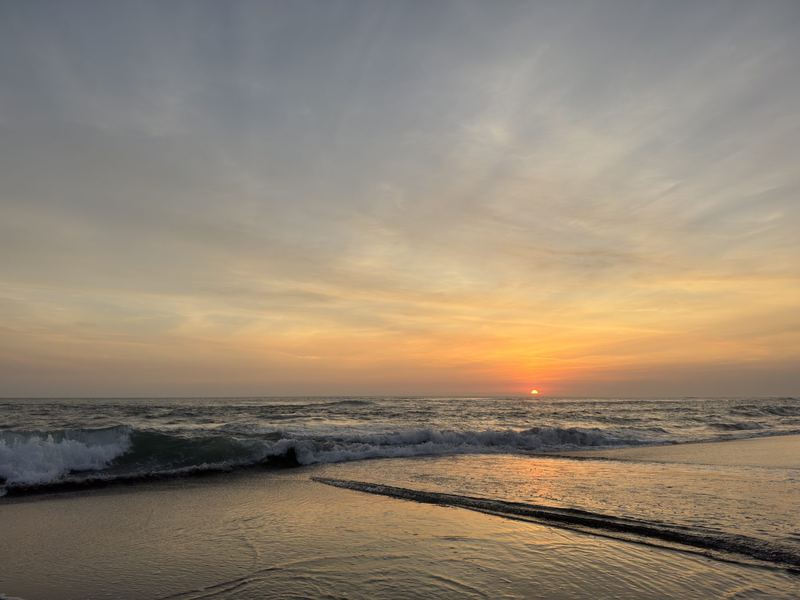
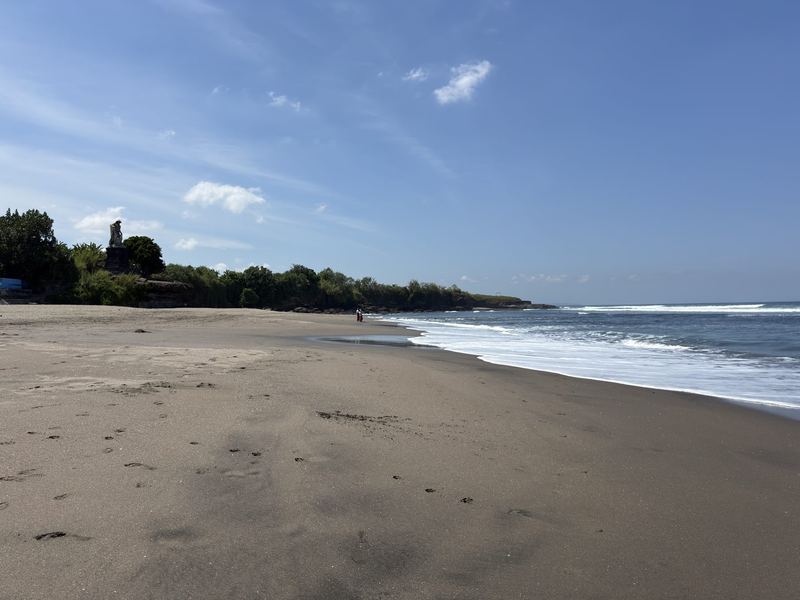
Over the boundary into Tabanan. A beach, a river mouth, rice fields and a small number of larger developments. Noticeably quieter than anything south of it, and further from Canggu than a map suggests.
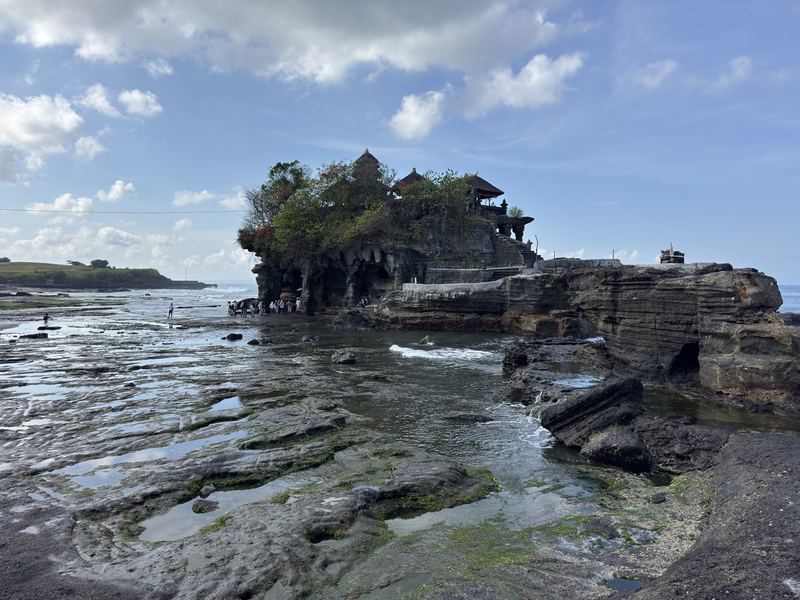
See the 6 we have in Kedungu →The regency west of Badung, beyond Kedungu, running along the coast towards Tanah Lot. Black sand beaches, rice fields and villages, and a few large master planned developments among them.
See the 5 we have in Tabanan →


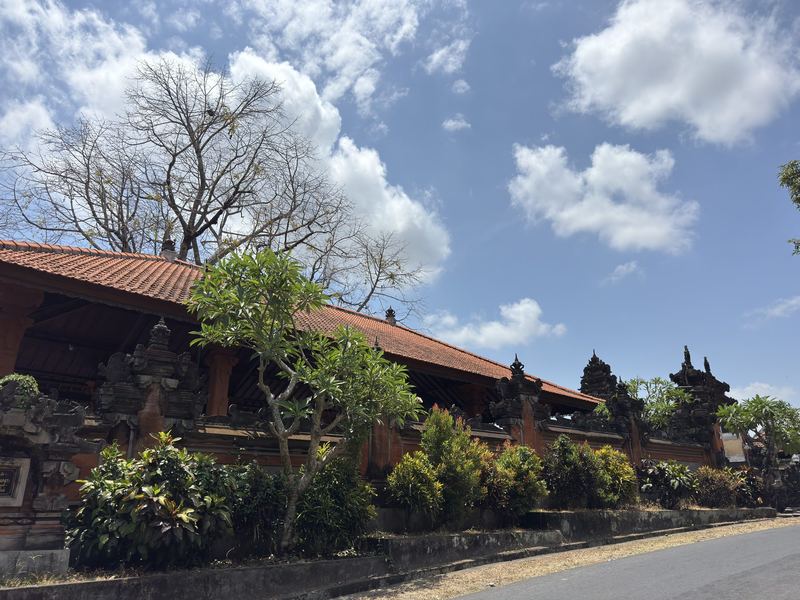
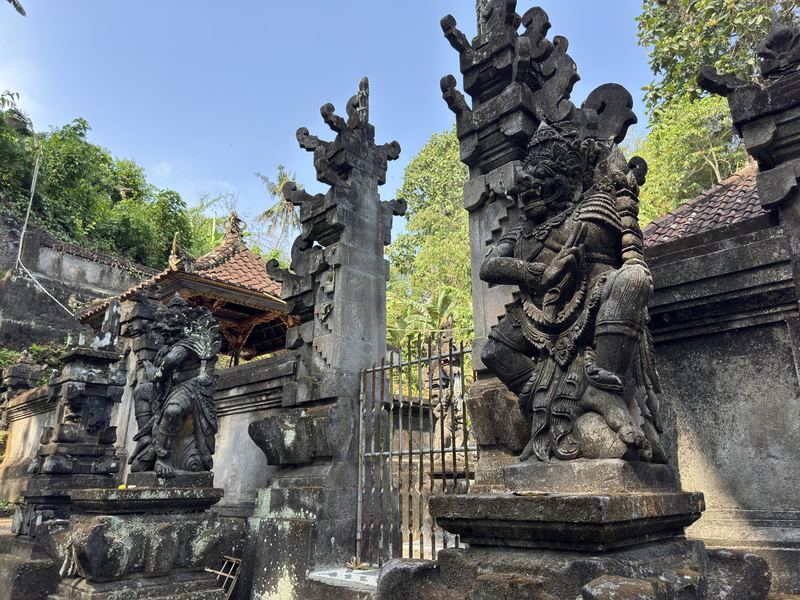
Inland Tabanan, rural, temples and rice terraces. Land is cheaper here than anywhere on the coast and the distance is the reason.
See the 7 we have in Kaba Kaba →The limestone peninsula south of the airport. A different island in practice: drier, higher, clifftop rather than beachfront in most places, and everything further apart.
The bay just south of the airport, where the Bukit begins. A long, calm beach with fish restaurants on the sand, large resorts on the hills above, and the shortest drive to the airport of anywhere on the peninsula.
See the 4 we have in Jimbaran →


Cliffs, a well known beach and a surf break, quieter than Uluwatu, which is a few minutes further south. Development is newer and more spread out than on the west coast.
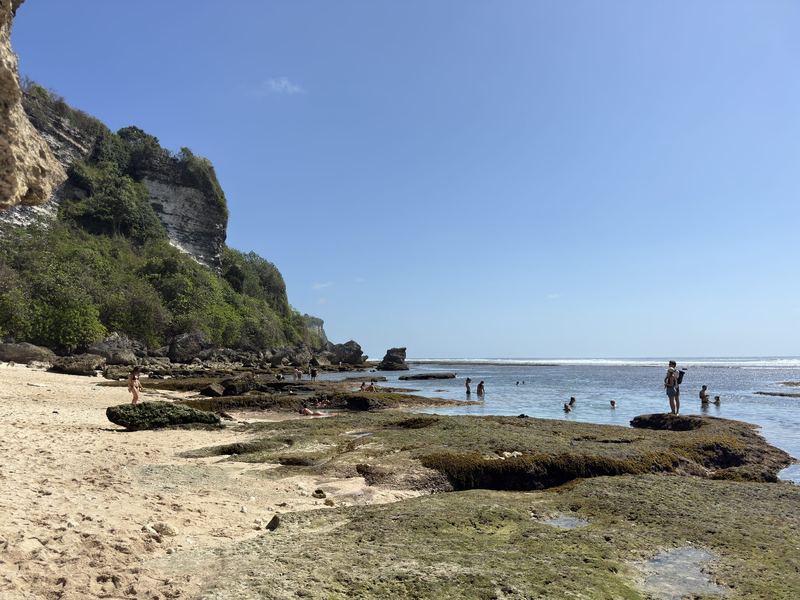
See the 19 we have in Balangan →On the west side of the Bukit between Balangan and Uluwatu. A cliff top village above a small beach and a well known reef break, reached by steps, with villas spreading back from the cliff along narrow lanes.
See the 15 we have in Bingin →

Inland Bukit, elevated, mostly residential and villa development rather than a strip. Close to the cliffs on both coasts without being on them.
See the 14 we have in Ungasan →


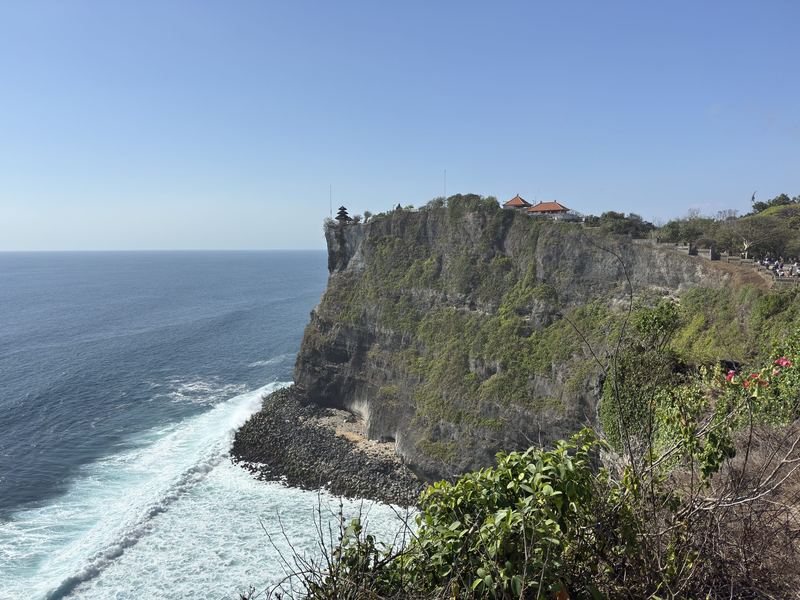
The southern tip. Cliff hotels, the best known breaks, and the most expensive land on the peninsula.
See the 14 we have in Ungasan →On the south east coast of the Bukit, in Kutuh. A white sand beach reached by a road cut through the limestone cliffs, with newer hotel and villa developments on the land above.
See the 2 we have in Pandawa →Away from the coast entirely. Cooler, greener, further from the airport and from a private hospital, and the two places on this list where the land itself is most often the thing that stops a purchase.
Central Bali, inland, no beach. Rice terraces and river ravines, the island's cultural centre, and a long established wellness and long stay community. The name is used loosely: a lot of what is advertised as Ubud is twenty minutes or more outside it.
See the 7 we have in Ubud →North Bali highlands, roughly 800 metres up, above the lakes. Coffee and clove plantations, waterfalls, cool nights and cloud. Two to three hours from the airport and a long way from a private hospital or an international school. Very little built for foreign buyers.
Nothing listed here today. Buying in Pererenan →Older, calmer and largely unaffected by the west coast's last ten years.


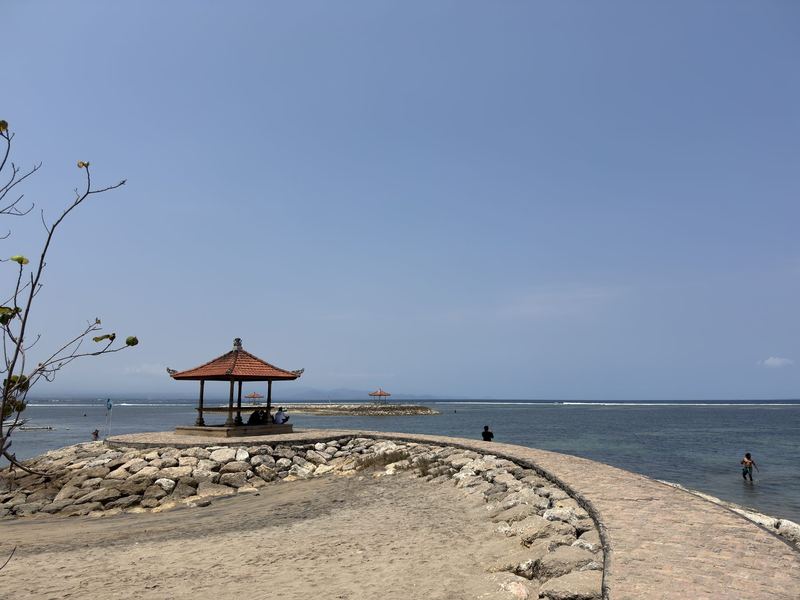
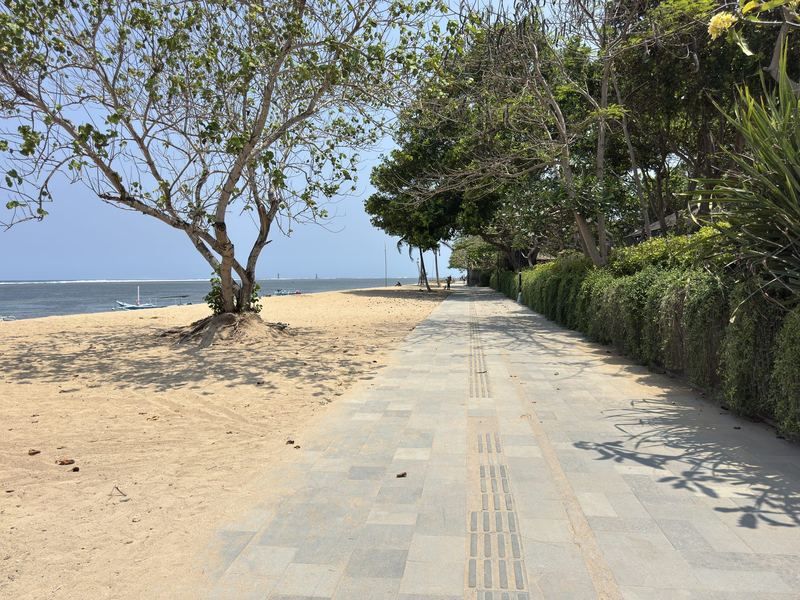
East coast, facing the sunrise, with a reef that makes the water flat and swimmable. The oldest resort area on the island, a long beachfront path, and a settled long stay community. A hospital and the Nusa Penida fast boats are both here.
See the 2 we have in Sanur →A planned resort zone, gated and managed, with large hotels, wide roads and a golf course. Unlike anywhere else on this list, it was designed rather than grown.
See the 3 we have in Nusa Dua →Off Bali itself. More space and fewer people, and a boat or a flight between you and Bali's hospitals and international airport.
The largest of the three islands south east of Bali, a fast boat ride from Sanur. High cliffs, a dramatic coastline and a small number of villas and guesthouses. Roads, water and power are more basic than on Bali.
See the 1 we have in Nusa Penida →The island east of Bali, with its own international airport. Most of what foreign buyers look at is on the south coast around Kuta, Lombok: surf beaches, hills, and far less built up than the south of Bali.
See the 5 we have in Lombok →Every area on this page reads well on a map and most of them read well at ten in the morning. The thing that decides whether you enjoy living somewhere in Bali, or whether a guest books it twice, is the drive at five in the afternoon in the wet season.
Anyone can send you a location pin. Go and sit in it before you sign anything, and if you cannot get here yet, ask us to drive it and send you the video with the timestamp on.
Including the properties we would not put on the list, and why they did not make it.
We use Google Analytics to see which pages are useful. No ads, nothing sold. Privacy