Land in Bali
Sourced anywhere on the island. Most of the land worth buying never reaches a listing, so it has to be asked for.
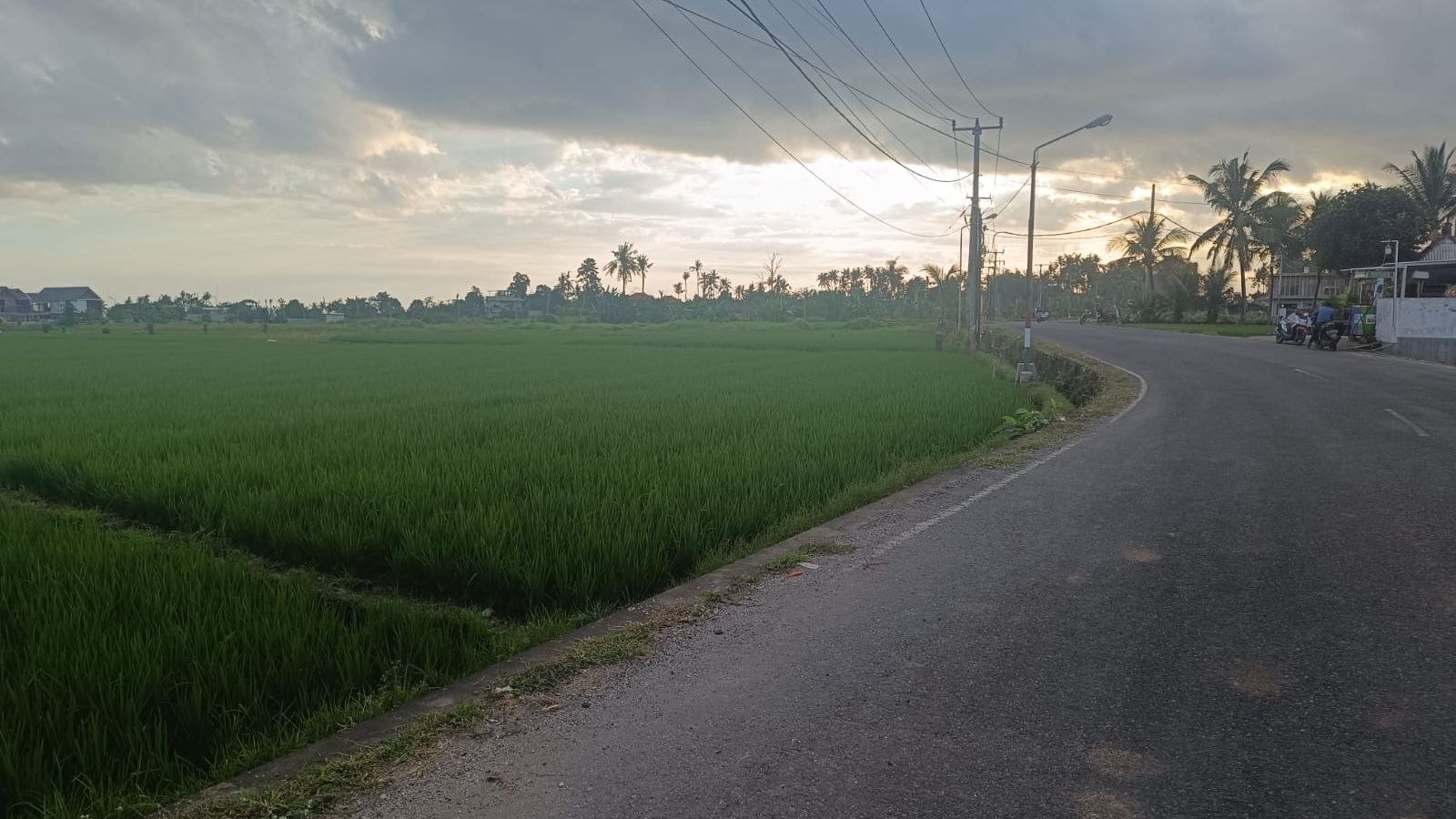
Road frontage on a parcel in west Bali. Frontage on a public road and a legally established right of way are two different things, and only one of them survives the neighbour selling.
Land in Bali behaves differently from villas. The good plots rarely appear on a portal, because an owner with a genuinely saleable parcel does not need to advertise it. It moves through people who already know it exists.
Three lines is enough to start.
Area, size, budget and the zoning you need. Options come back with the certificate, zoning and access position on each.
- Areaanywhere on the island
- Sizea range is fine
- Budgetthe real one
- Zoningor what you plan to build
No email required. No mailing list.
Bali Property Sourcing works with that network directly. Nothing is listed on this page, because the plots worth looking at are not the ones sitting publicly with a price on them.
Sourcing is not limited to the areas listed elsewhere on this site. It covers the island, including the parts nobody has written a landing page about.
Send the area, the size, the budget and the zoning needed. Options come back. Not a brochure, not a newsletter, a short list of actual parcels with what is known and what still needs checking on each.
What can be sourced
Leasehold land. Hak Sewa, held in the buyer's own name for a defined term with an expiry date on the deed. The standard route for a foreign individual building one villa.
Freehold through a PT PMA. An Indonesian foreign investment company can hold Hak Guna Bangunan, the right to build. This is the route for anyone intending to develop and sell, because what you can pass to a buyer at the end differs sharply between the two.
Which one suits is not a preference. It depends on what happens at the end, and that question is worth settling before looking at plots rather than after finding one you like. Leasehold land in Bali, properly explained covers what a lease actually gives you.
What will never be arranged is a nominee structure, where the title sits in an Indonesian name and the foreign buyer holds side agreements. Land is where that is most often proposed and where it does the most damage. The reasoning is on nominee ownership in Bali.
Zoning decides more than location
With a villa, the building already exists and its permits either do or do not. With land, zoning decides whether there will ever be a building at all.
KKPR, spatial use conformity, is the document that governs it. It determines whether the parcel permits what the buyer intends, and the answer is frequently no on land that looks perfect. Green zone. Protected rice land. Coastal and cliff setbacks that push a buildable footprint back until there is barely one left.
A beautiful plot in the wrong zone is a garden. An expensive one.
What changed in February 2026
Perda Provinsi Bali Nomor 4 Tahun 2026 came into force on 24 February 2026, and it matters more to land buyers than to anyone else.
It restricts the conversion of productive agricultural land. That is a direct constraint on the transaction a great many people come to Bali intending to do, which is to buy rice field and put a villa on it. It also prohibits nominee arrangements and, under Article 14, reaches the intermediary who arranges one rather than only the buyer.
Article 24 brings subak, the traditional irrigation cooperatives, and village councils into the monitoring role within their own areas. On agricultural land that is the provision with teeth, because subak governs the water the parcel sits beside and has done for centuries.
Anyone offering to make a productive rice field into a villa plot should be asked, in writing, how that sits with Perda 4/2026.
What gets checked before a plot is put in front of you
The certificate. Class of right, who holds it, and whether the name matches the person selling.
The boundaries. The Surat Ukur reconciled against a physical survey. Discrepancies between the paper area and the actual parcel are common, and on land the gap is usually larger than on a built property. One marketing pack reviewed by this agency overstated a site by close to a quarter.
Access. A legally established right of way, not a track people have driven down for fifteen years. This is the one that catches buyers most often, because access looks obvious standing on the plot and disappears when the neighbour sells.
Zoning. KKPR against the intended use, before anyone gets attached.
The full sequence and the order to ask in is on the documents to ask for.
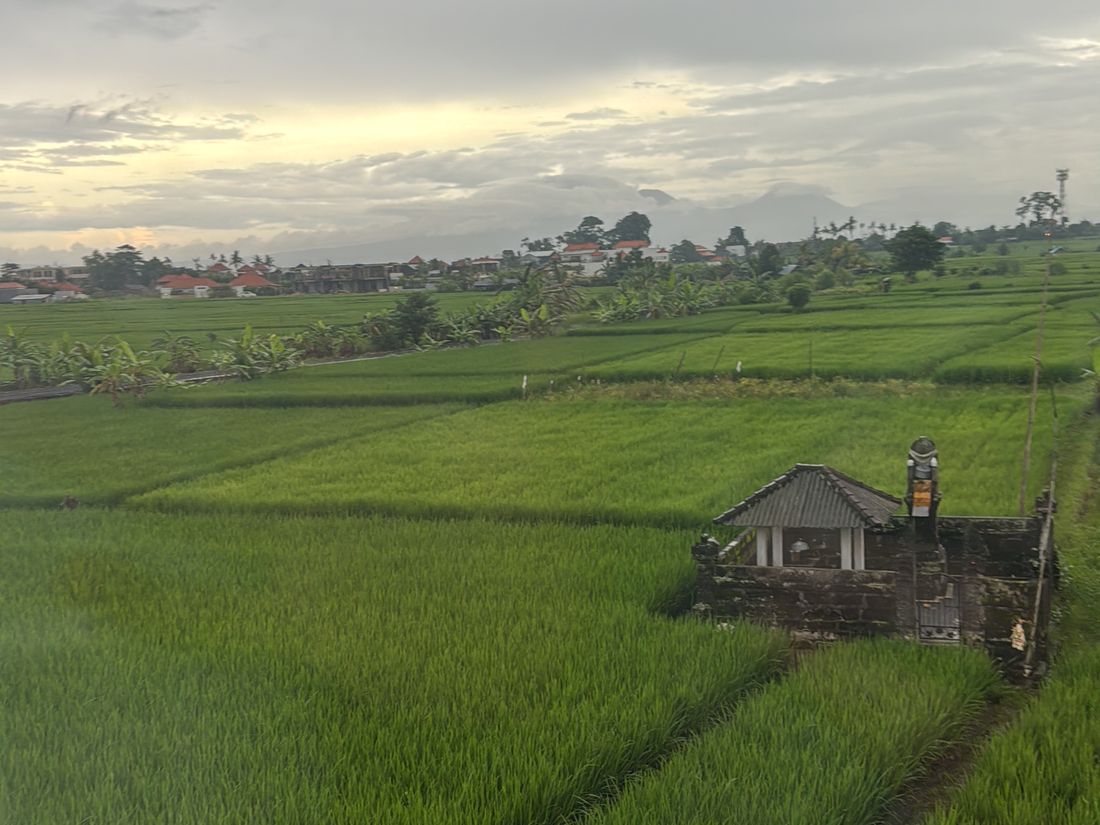
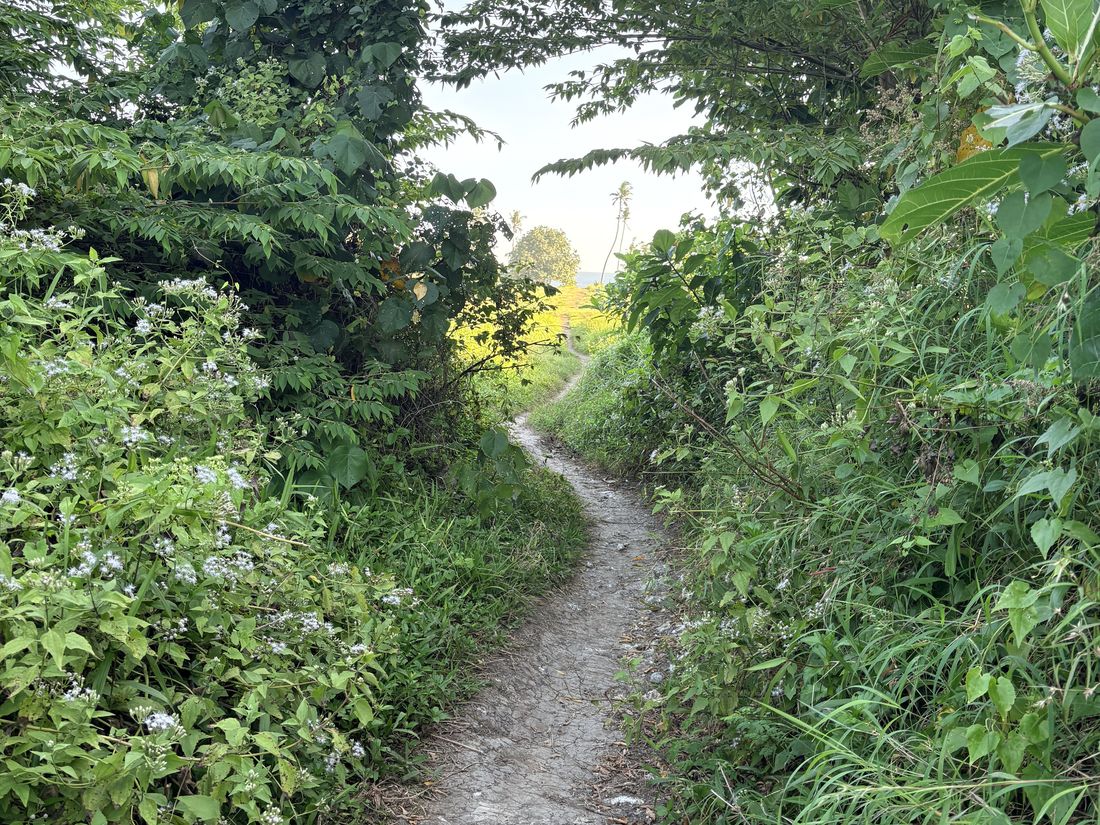
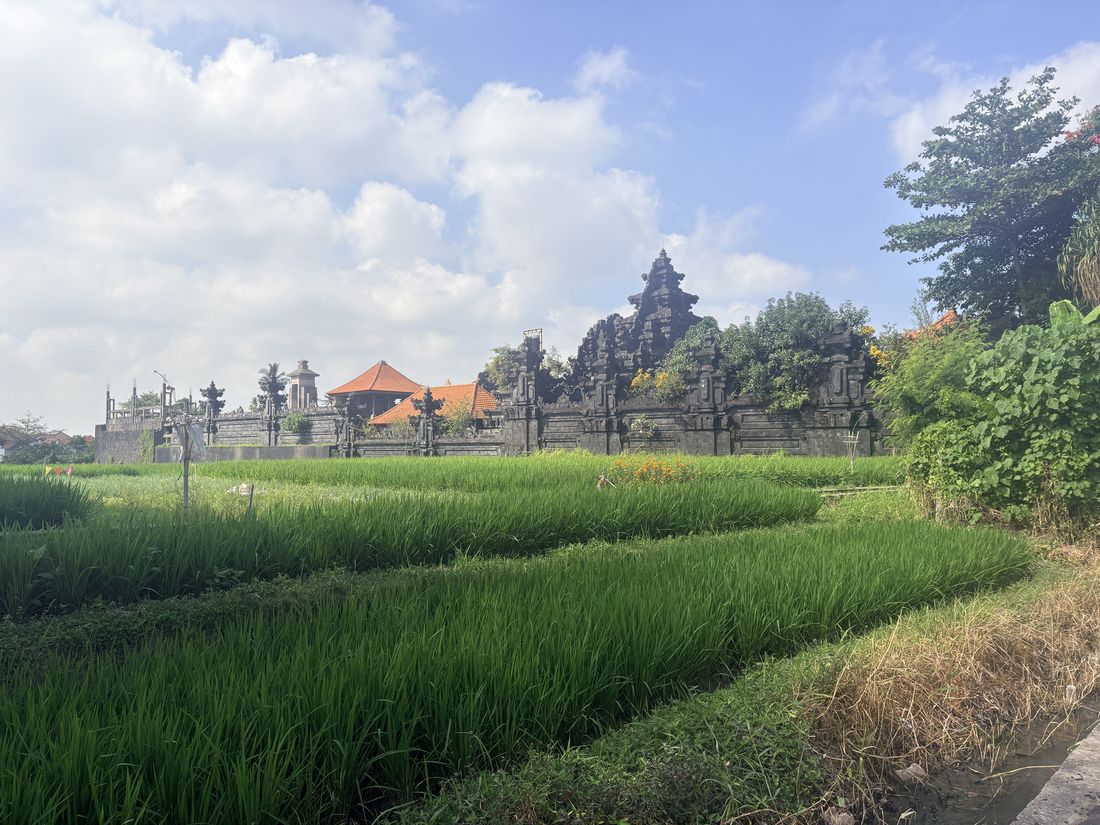
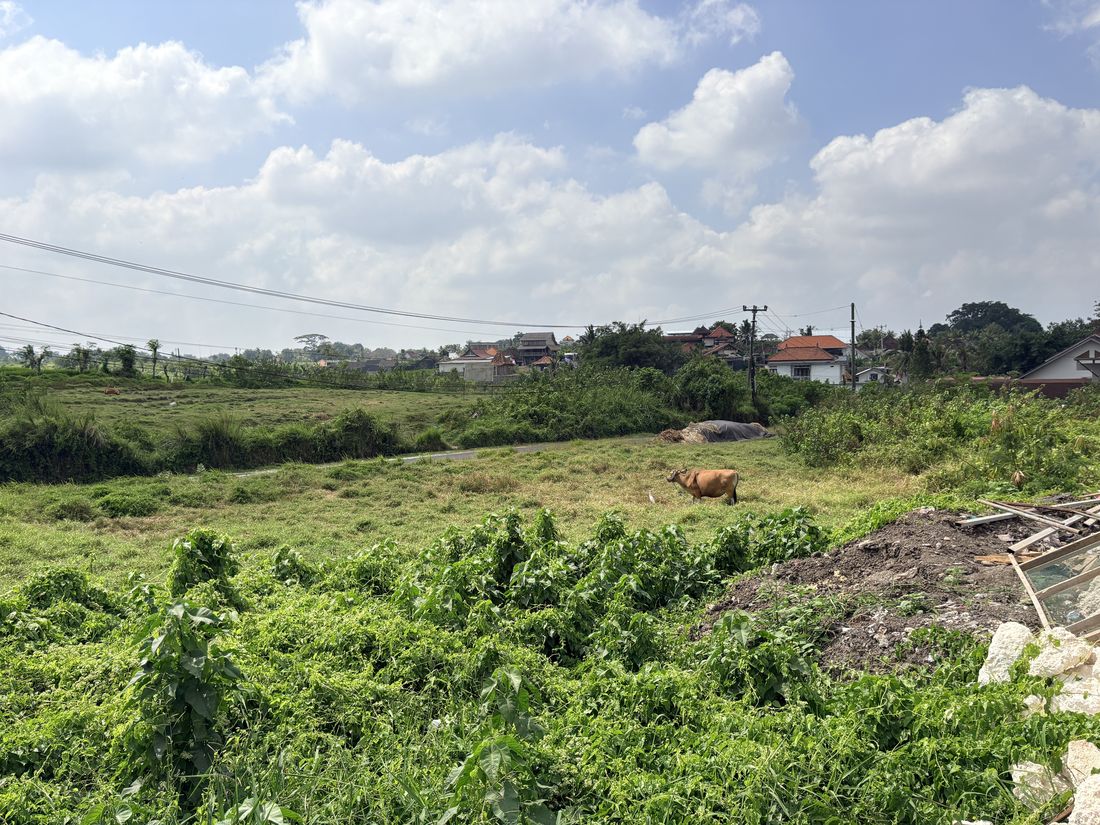
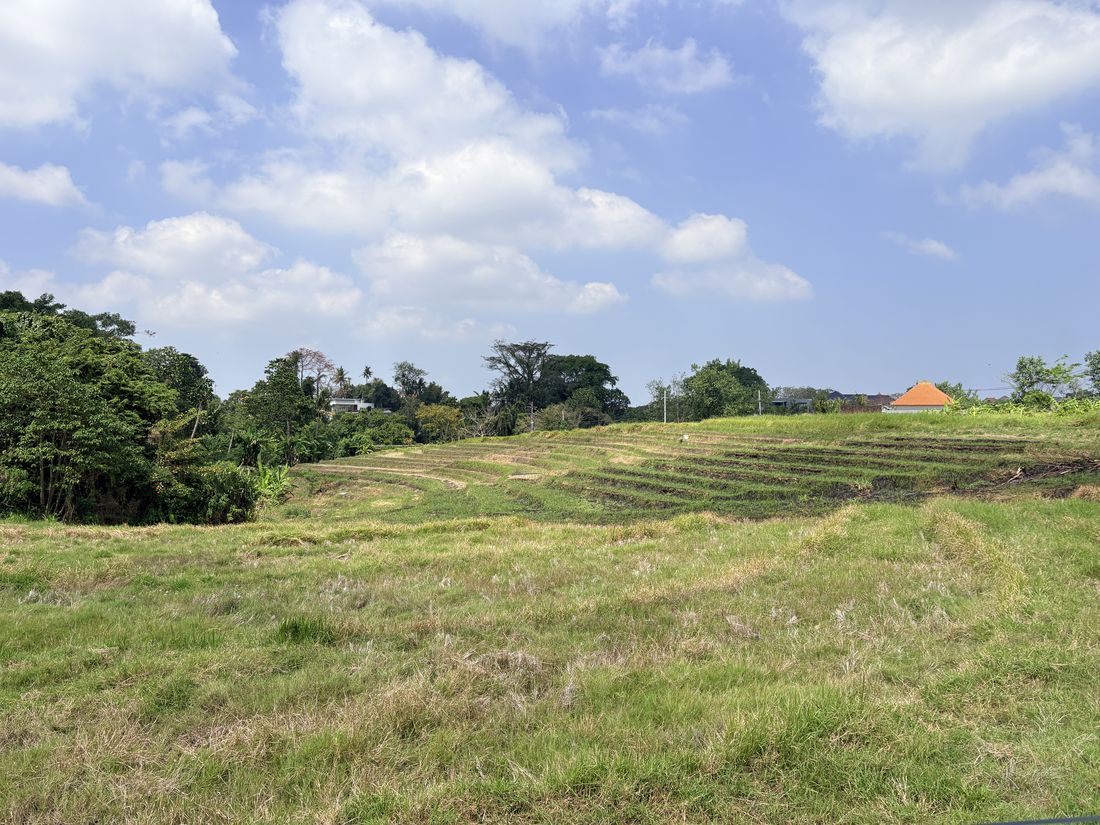
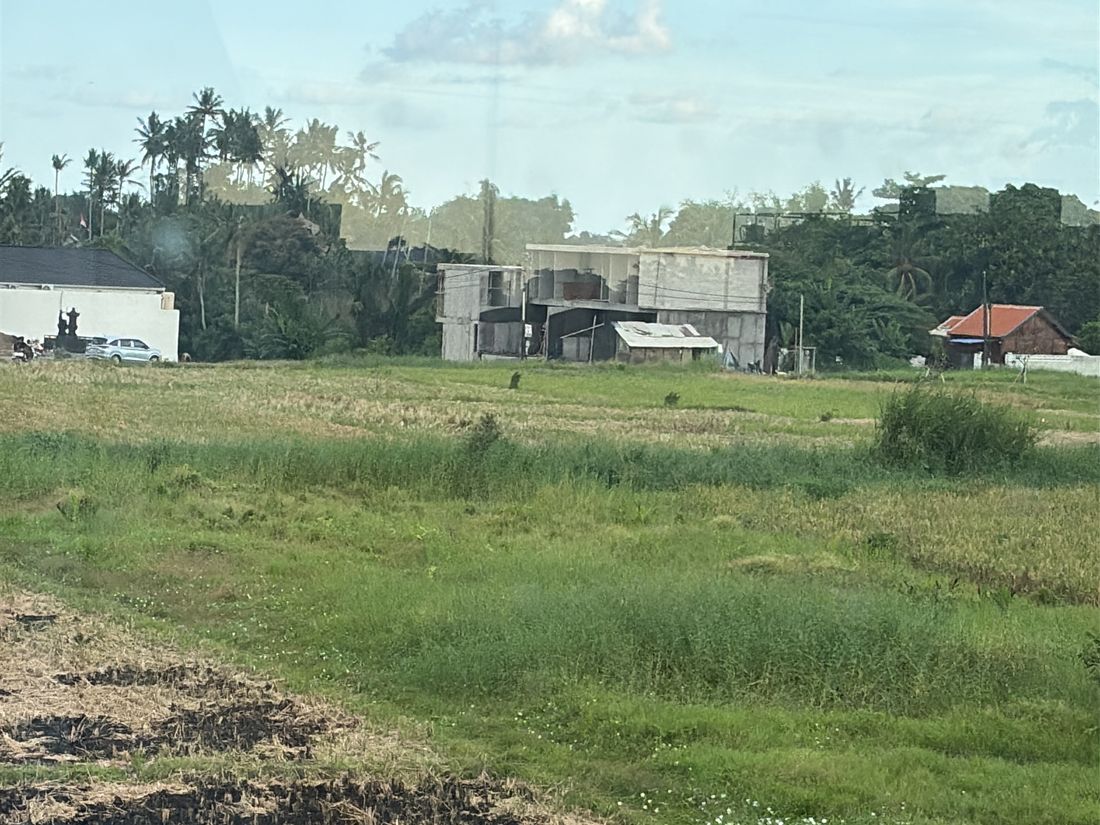
The photographs on this page are from parcels that have been looked at. None of them is a listing, and no view is offered on any of them here.
What building on it costs you in decisions
Almost nobody buys land here to leave it empty. The build is the second decision and it is usually the one that decides whether the first was a good one.
Bali Property Sourcing does not build. What it has is a short list of contractors whose work has been seen finished and lived in, on its own approved projects and on sites it has walked. An introduction is made once there is a parcel worth talking about, not before.
Take the introduction as a starting point rather than a verdict. Ask any builder for their last three completed projects, walk one, and ask the owner what went wrong rather than what went right. Every build has a list. How the list was handled is the thing worth knowing.
Three things about a plot decide the build before a drawing exists.
Ground and contour. The slope that makes a parcel beautiful is the slope that produces the retaining wall. Earthworks and retaining on a difficult site can move a budget more than the finish specification does.
Setbacks and buildable footprint. What remains after the coastal, cliff, river, road and temple setbacks are applied is the site, not the certificate area. A parcel can lose most of its usable footprint and still look enormous standing on it.
Access for the build, not just for you. A track a motorbike can use is not a track a concrete truck can use. Material access is a cost line and occasionally a dealbreaker.
The permit sequence sits with the build rather than the land. PBG before construction, SLF after completion, and both on the shoulders of whoever is doing the building. Who is responsible for obtaining them, and what happens if they are not obtained, belongs in the construction contract in writing.
No view on which area is next
Land marketing runs on the claim that a particular area is about to become the next somewhere. No such claim appears anywhere on this site.
Nobody knows. The people who say they know are usually holding stock there, and a buyer who pays a premium on somebody's forecast has bought a guess at full price. What can be said about each area is what it is now, which is covered on areas.
Location advice here is about what the parcel is, what it permits and what it costs to build on. Not about where the market is going.
How the fee works
Five per cent of the sale price, paid by the seller side. The buyer pays this agency nothing, exactly as on every other property listed here.
That is a conflict of interest and it is disclosed rather than dressed up, on how we are paid. An agent paid by the seller has a reason to talk you into the plot in front of you. Knowing that is more useful than being told it does not apply.
What to send
Three things are enough to start.
The area, or several, anywhere in Bali. The size, as a range rather than an exact figure, since parcels rarely come in round numbers. The budget, honestly, because a search run against a number that is not real wastes everyone's week. The zoning the plan needs.
On zoning, the market talks in colours. Pink for tourism, yellow for residential, green for agricultural and protected. Those are shorthand rather than legal terms, and the KKPR is what actually settles it, but saying which one the plan needs rules parcels in and out faster than any other single line in the brief. If the answer is not known yet, say what the land is for and the zoning question gets worked backwards from there.
If there is an intended use worth mentioning, say it too. Building one villa, developing to sell, and holding a parcel are three different searches and they rule in and out different land.
What comes back is a short list with the certificate position, the zoning position and the access position on each, plus the ones that were looked at and rejected, and why.
Bali Property Sourcing is a real estate agency and buyer's agent based in Badung Regency, Bali. It is not a law firm, a notary or a tax adviser, and nothing here is legal or tax advice. Zoning, agrarian and tax rules change and are applied locally. Instruct your own independent notary before committing money to any parcel.